
When to Stop Wearing an Irritating Item of Jewellery
Clear guidance on warning signs that mean you should remove jewellery, what to do next, how to tell irritation from allergy or infection, and when to seek medical help.


Minor discomfort is sometimes part of breaking in new jewellery, but some signs mean you should stop wearing a piece straight away. Knowing the difference helps you protect your skin and avoid making a reaction worse. This guide explains the warning signs and what to do next.
Medical disclaimer: This article is general information, not medical advice. If you are concerned about a reaction or suspect infection, seek advice from a pharmacist, doctor or dermatologist. In an emergency, contact emergency services.
Remove the item immediately if you notice
- Itching or burning where the jewellery touches skin
- Redness or a rash around the area
- Swelling, especially of fingers under rings or earlobes
- Blisters, weeping or crusting
- Pain at a piercing site
- Numbness or tingling (often from tight rings or clip-ons)
- Discolouration of the skin accompanied by itching or irritation
A harmless green or dark mark on skin without itching or rash is usually a reaction between metal and sweat, not an allergy. Wash it off and consider whether plating has worn. See How to Prevent Jewellery Tarnishing.
What to do next
- Remove the item gently.
- Wash the area with water and a mild cleanser, then pat dry.
- Avoid scratching.
- Do not put the item back on until you understand the cause.
- Note details: which piece, materials (if known), how long you wore it and when symptoms started. Allergic reactions to metals can appear a day or two after contact, according to Mayo Clinic.
Irritation, allergy or infection?
| Type | Typical features | What helps |
|---|---|---|
| Irritation | Redness or dryness from moisture, friction or residue | Remove item, keep skin clean and dry |
| Allergy (for example, nickel) | Itchy rash where metal touched; can recur with re-exposure | Avoid the trigger; seek advice for diagnosis |
| Infection | Increasing pain, warmth, swelling, pus, sometimes fever | Seek medical care promptly |
When to seek medical advice
- Symptoms that do not improve after removing the item
- Reactions that keep coming back
- Severe, spreading or blistering rashes
- Signs of infection, especially around piercings
- A ring that will not come off because of swelling (seek urgent help)
The NHS advises seeing a GP for persistent, recurrent or severe symptoms of contact dermatitis. The American Academy of Dermatology recommends seeing a dermatologist if a rash blisters, becomes infected or keeps returning.
Getting back to wearing jewellery
Once your skin has healed:
- Avoid the piece that caused the reaction.
- Pay attention to materials in skin-contact parts. See Nickel and Other Metal Sensitivities.
- Introduce new pieces gradually.
- Keep skin and jewellery clean and dry.
- Consider alternatives such as clip-ons, ear cuffs or non-metal jewellery.
See Understanding Jewellery Allergies and Irritation and Earrings for Sensitive Ears.
For sellers and makers
If customers report reactions, take it seriously: review materials and suppliers, provide clear material information, and follow regulations in your markets.
Explore HANSINI369 Jewellery. Earrings, necklace sets and bangles for festive, bridal and everyday wear, from the HANSINI369 collection. Find Jewellery for Your Style
Key takeaway
Itching, rash, swelling, blisters, pain or numbness are signals to remove jewellery right away. Clean the area, note the details, avoid the trigger and seek professional advice when symptoms persist, recur or suggest infection.
Sources and further reading
Written by
HANSINI369 Editorial Team
Our editors research jewellery types, materials, care and craft, and review guides when materials, standards or recommendations change. Read our editorial policy.
Keep reading
Comfort, Safety & Wearability
Understanding Jewellery Allergies and Skin Irritation
Learn the difference between allergic and irritant reactions to jewellery, common triggers, typical symptoms, practical prevention steps and when to seek medical advice.
Comfort, Safety & Wearability
Nickel and Other Metal Sensitivities: A Practical Guide for Jewellery Lovers
Understand nickel allergy and other metal sensitivities, where nickel appears in jewellery, what EU rules limit, what to ask sellers and practical ways to keep wearing jewellery comfortably.
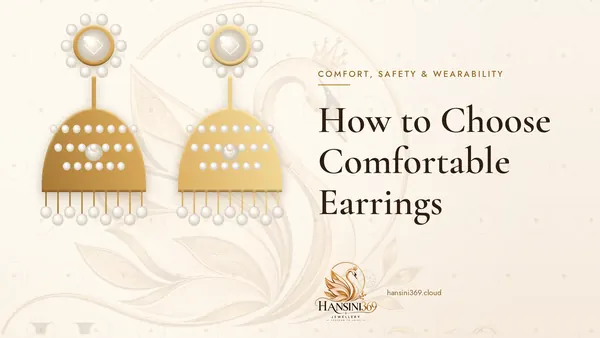
Comfort, Safety & Wearability
How to Choose Comfortable Earrings
A complete comfort checklist for earrings: weight, balance, backs, posts and hooks, materials, size and how long you will wear them, plus fixes for common discomfort.